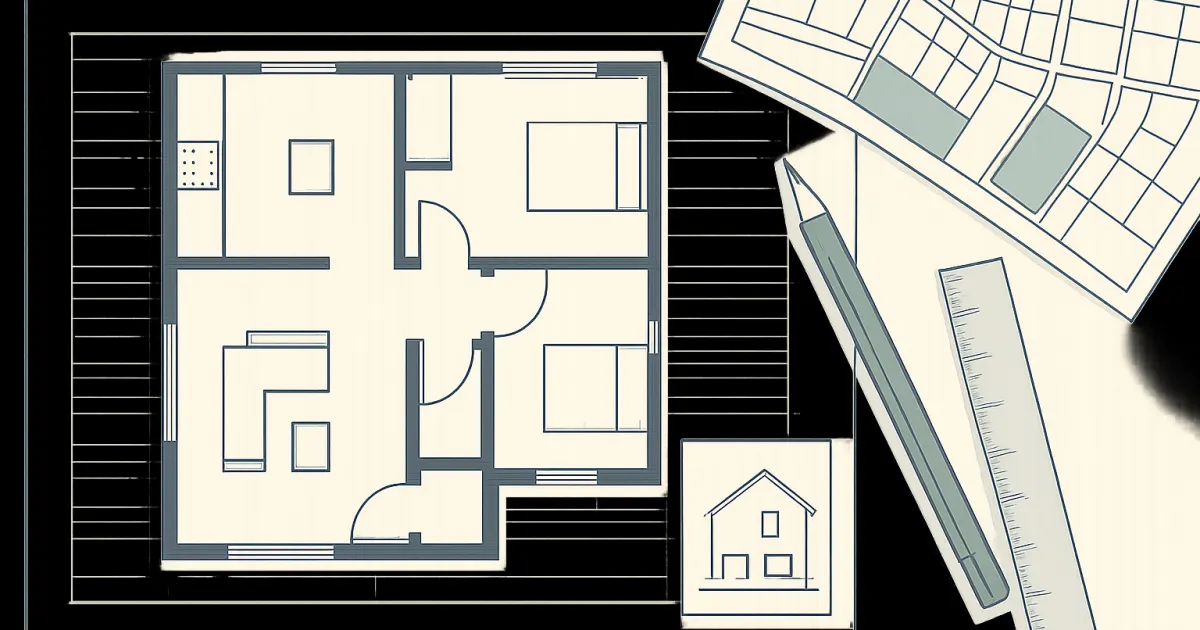
Start with the buyer’s question: is this a renovation I can realistically do?
If you’re looking at homes with the idea of renovating after purchase, planning a renovation before buying is the single best way to avoid surprises. Early planning doesn’t mean you must have final drawings or a finished budget on day one — but it does mean knowing which structural, mechanical, zoning, and cost issues could turn a promising property into a money pit. The goal is simple: buy the condition you can afford, not the cosmetic potential you can’t.
Use a quick-screen checklist on the first visit
On the first walkthrough, use a short checklist to filter properties you should study further. Focus on items that usually drive cost, schedule, or complexity:
- Roof and drainage: missing shingles, sagging eaves, or poor grading invite big expenses.
- Foundation and visible structure: wide cracks, sloping floors, or bowing walls are red flags.
- Major systems: age and condition of HVAC, electrical panel, and water heater — not just whether they work now.
- Wetness and mold risk: signs of past leaks, efflorescence, or poor ventilation in basements and attics.
- Layout constraints: load-bearing walls, stair placement, and plumbing walls that affect whether you can open spaces or move kitchens/bathrooms without expensive structural work.
- Site and zoning limits: setback requirements, flood zones, tree protection, and easements that may restrict additions or garage conversions.
Bring experts into the conversation early
After a promising walkthrough, schedule targeted expert checks before you remove critical contingencies. A full home inspection is essential, but for renovation-focused buyers you’ll often want:
- Structural consult: if you see foundation issues or plan to remove walls, a structural engineer can cost-effectively bound the risk.
- Electrician or master plumber assessment: for older homes, confirming service capacity, knob-and-tube wiring, or galvanized plumbing can change whether a property is practical.
- Sewer/septic scope: a camera inspection for sewer lines and septic tank inspections avoid surprise replacement bills.
- Contractor rough estimate: a local builder or remodeler can provide a ballpark demolition-to-finish estimate and realistic timeline.
Tip: use scoped, concise inspections that answer the owner’s key questions
Don’t pay for full reports you won’t need yet. Ask each pro one or two focused questions that will change your decision: "Can this wall be removed?" "Will the service panel support a modern kitchen?" "Is there evidence of recurring drainage problems?"
Turn observations into a rough renovation budget
When planning a renovation before buying, translate issues into dollars and schedule. Start with three buckets:
- Essential repairs: items you must fix to make the house safe and legal (roof, structure, electrical hazards, active leaks).
- Enabling work: things required to complete your intended design (moving plumbing, adding new HVAC zones, structural modifications).
- Optional upgrades: finish-level choices that affect resale and livability but can be phased (cabinetry, tile, finishes).
Get three rough contractor numbers for the essential and enabling buckets. Add 15–25% contingency for unknowns (more for older homes). If the total pushes your purchase-plus-renovation budget beyond comfort, either walk away or revise the scope: less demolition, smaller footprint change, or phasing work after moving in.
Understand permitting, timing, and neighborhood expectations
Permits, historic-district rules, and HOA covenants can transform a straightforward plan into a lengthy, expensive process. Call the local building department early and ask about permits for the work you plan. If the property is in a historic district, check design-review requirements. These constraints affect timeline, cost, and what designs will pass muster.
For a practical start, read a trusted homebuying resource to frame questions for your agent and inspector — HUD’s homebuying guide is a useful place to begin when you’re organizing what to ask and document during due diligence.
Compare renovation ROI versus purchase price
Not every improvement returns dollars at sale. When planning a renovation before buying, separate projects that increase function and marketability (kitchen, bathroom, moving from 1 to 2 baths) from luxury finishes that rarely pay back in full. Use local sale-prep standards: small-town buyers may prioritize a functional floor plan and reliable systems; coastal East Coast neighborhoods often reward outdoor living, durable materials, and storm-ready upgrades.
Common mistakes buyers make — and how to avoid them
- Underestimating hidden costs: ignoring sewer issues, lead/asbestos remediation, or required structural reinforcement adds thousands. Always include a contingency.
- Skipping contractor estimates: relying only on online cost guides can misrepresent local labor and material availability.
- Assuming permits are quick or cheap: factor permit fees, plan reviews, and possible design revisions into schedule and cost.
- Buying on aesthetics alone: cosmetic appeal should never override concerns about systems, structure, and site drainage.
How to structure contingencies and negotiation
Use inspection contingencies and specific repair requests to protect your position. If essential repairs are uncovered, you can ask the seller to repair, provide a credit at closing, or reduce the price. For projects you plan to do yourself, a price reduction is often the most flexible outcome. If you identify major structural or systems failures, be prepared to walk — that’s often the best financial move.
Next steps for the hands-on buyer
1) Build your short checklist and use it at every showing. 2) When a property passes that screen, get targeted expert checks and a contractor ballpark. 3) Convert findings into a three-bucket budget (essential, enabling, optional) and run the numbers with contingency. 4) Confirm permits and zoning constraints with the local building office. 5) Use inspection contingency language that gives you time to confirm major unknowns.
Final thought
Planning a renovation before buying is about reducing uncertainty: the more you know before you sign, the more control you have over cost, schedule, and results. Thoughtful early planning helps you buy with confidence, negotiate from a place of knowledge, and turn a house with potential into a home you and your budget actually enjoy.
Frequently Asked Questions
What are the first three things I should check when touring a fixer-upper?
Look at roof and drainage, visible foundation or structural issues, and the condition/age of major systems (electrical panel, HVAC, plumbing). These items commonly drive cost and urgency.
Do I need a structural engineer before making an offer?
Not always, but if you see significant cracks, sloping floors, or plan to remove load-bearing walls, a quick engineer consult before removing your inspection contingency is wise.
How much contingency should I budget for renovation unknowns?
For older homes or extensive work, plan 20–30% contingency on top of contractor estimates; for light cosmetic projects, 10–15% may suffice.
Can I rely on a home inspector for renovation feasibility?
A home inspector identifies current condition and hazards but may not assess renovation feasibility; supplement inspection with targeted specialists (structural, plumbing, electrician) for specific plans.
How do permits affect renovation timing and cost?
Permits add time for plan review and inspections and include fees. Complex or historic-district projects may require extra design revisions or approvals, so confirm permitting requirements early.
Should I ask the seller to make repairs or request a price credit?
If repairs are limited and straightforward, seller repairs can simplify closing. For projects you prefer to manage, a price credit gives flexibility and often better control over contractor selection.
What renovation projects add the most resale value?
Function-first projects like updated kitchens and bathrooms, improved floor plans, and addressing deferred maintenance typically provide the best balance of value and marketability.